

Why Your Business Needs a Newsletter (And What to Put In It)
A business newsletter is a regular email sent to subscribers with useful content, updates, and information about your business. Unlike a promotional email that pushes a specific offer, a newsletter builds a relationship over time by showing up consistently with something worth reading.
Most small business owners either don’t have one or have one they’ve neglected. Both are missed opportunities.
A well-run newsletter is one of the most effective ways to stay top of mind with past customers, build trust with potential ones, and drive repeat business without spending money on ads every month.
Why Do Customers Actually Want a Newsletter?

One of the biggest surprises for businesses that start a newsletter is how many of their customers welcome it. Most people assume subscribers will find it annoying. The data says otherwise.
According to Nielsen Norman Group, 90% of people surveyed said they prefer to receive company updates via email newsletter. Only 10% said they preferred social media for the same information. That’s a dramatic preference for the inbox over the newsfeed.
The reason is control. People decide when to open email. They don’t get to decide when an algorithm shows them your post.
A newsletter reaches subscribers on their terms, which makes them far more receptive when they do open it.
Every newsletter you send is a small deposit into your audience’s trust account. A Naperville contractor who sends a monthly tip about home maintenance isn’t just staying in front of customers. They’re becoming the expert their subscribers turn to when something goes wrong. That authority is nearly impossible to build with ads alone.
What Makes a Newsletter Different From a Promotional Email?

A promotional email has one job: get the reader to take an action right now. A newsletter has a longer-term job: keep the reader engaged and informed so that when they need what you offer, you’re the first name they think of.
That distinction matters because it changes what you write. Newsletters should be primarily useful and interesting, not primarily salesy. The promotional content earns its place when it appears alongside genuinely helpful information.
A good ratio for most local businesses is roughly 80% content the reader finds useful and 20% that promotes your services or current offers. Subscribers who feel like they’re learning something will keep opening your newsletter. Those who feel like they’re getting pitched every time will unsubscribe.
What Should You Include in a Business Newsletter?

| Content Type | Example | Why It Works |
|---|---|---|
| Useful tip or how-to | A landscaper sharing spring lawn prep advice | Demonstrates expertise, keeps subscribers reading |
| Recent project or case study | Before-and-after of a completed job | Social proof in a low-pressure format |
| Seasonal reminder | HVAC company reminding readers to schedule a furnace check | Timely, drives bookings naturally |
| Business update | New service offering, new team member, expanded hours | Keeps subscribers informed and invested |
| Offer or promotion | Discount for newsletter subscribers only | Rewards loyalty, creates urgency |
| Community mention | Sponsoring a local event in Elmhurst or Wheaton | Builds local identity and goodwill |
You don’t need to include every category in every issue. Pick two or three that feel natural for your business and stick with them. Consistency is more important than variety.
How Often Should You Send a Newsletter?
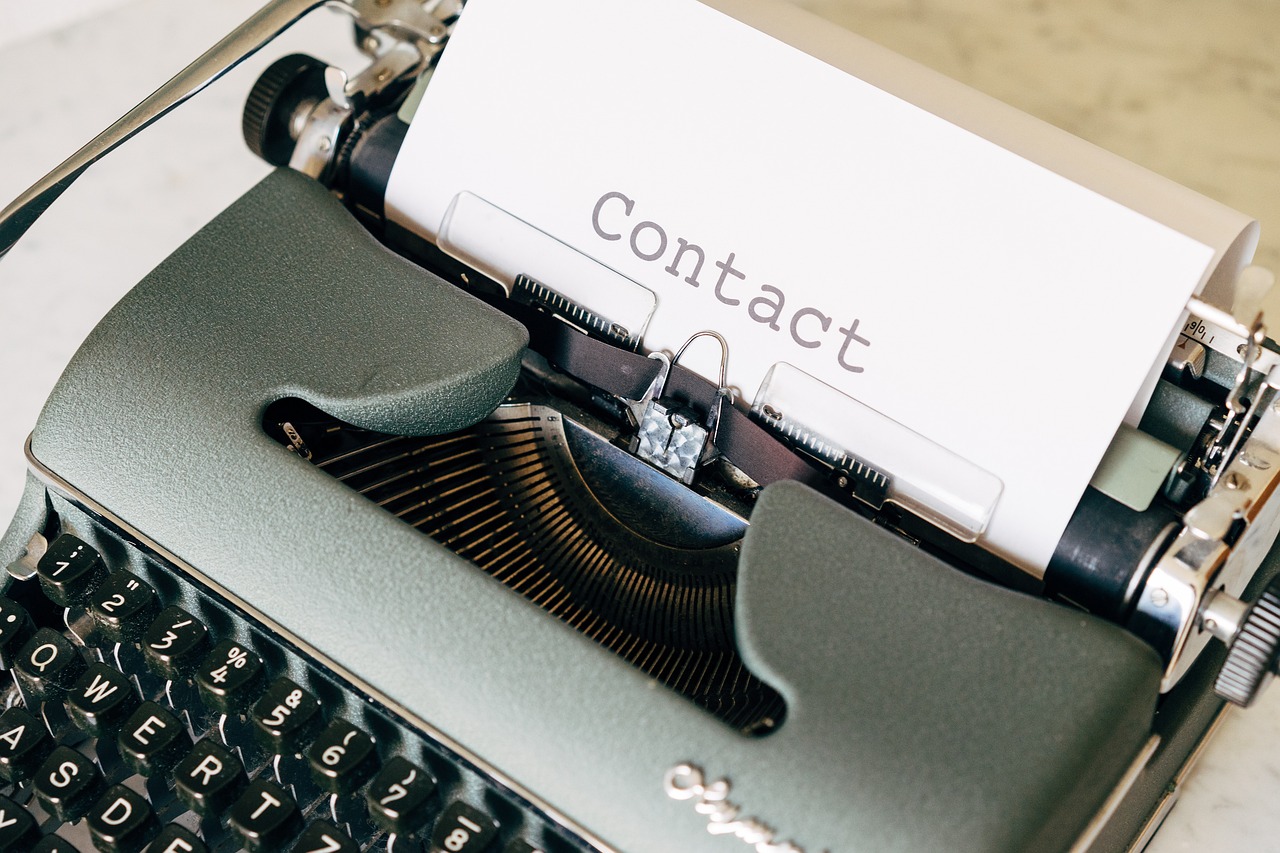
Monthly is the right starting point for most local businesses. It’s frequent enough to stay top of mind without overwhelming your list or burning out the person writing it.
Once you’re comfortable with a monthly cadence, you can experiment with more frequency. Service businesses with seasonal demand, like landscapers, HVAC companies, or holiday-focused retailers, sometimes benefit from bi-weekly newsletters during their peak months.
According to the Content Marketing Institute, 31% of B2B marketers say email newsletters are among their best-performing content types for audience engagement. The ones that perform well share one trait: they go out on a predictable schedule subscribers can count on.
What Do You Actually Get Out of It?

A newsletter that runs consistently for six months or more tends to produce results across several areas at once. Subscribers who open your newsletter regularly are more likely to book again, refer friends, and respond to offers when you send them.
According to a study by MarketingSherpa, 72% of consumers say they prefer to communicate with businesses by email rather than any other channel. That preference is a direct argument for owning an email list and treating it well.
The compounding effect is what makes newsletters worth the effort. Each issue adds to the relationship. After a year of consistent newsletters, your subscribers know you, trust you, and think of you first when they need what you offer.
That’s difficult to replicate with any paid channel at the same cost.
How Do You Get Started?

Start with what you already have. Export your customer contact list, upload it to Mailchimp or Constant Contact, and draft your first issue.
Your first newsletter doesn’t need to be complex. Here’s what to include:
- One useful tip or piece of advice relevant to your industry
- One brief update about your business (a new service, a seasonal reminder, a recent project)
- One call to action (schedule a service, claim an offer, or visit your website)
Send it. See what happens.
Most businesses are surprised by how well their first issue is received. Past customers who haven’t heard from you in months will reply, book a service, or refer a neighbor. The list you already have is more valuable than most business owners realize.
Ready to Build a Newsletter Your Customers Will Actually Read?
We help local businesses across Chicagoland set up and run email newsletters that drive repeat business and build lasting customer relationships. Start with a free consult.